

What language Pokemon cards should you collect?
Which language you want to collect is totally up to your personal preference! Generally, in Singapore, the main languages of Pokemon cards people collect are English and Japanese, with a small sprinkling of Simplified Chinese. Let's break down the pros, cons and qualities of each language!
English: The international standard
Pros:
- (Generally) Highest value
- International appeal
- Readable
Cons:
- Lower card quality (artistically and structurally)
- Lower pull-rates compared to Japanese
- (Generally) More expensive
If you're mono-lingual like me (failures of the SG school-system unite), then English Pokemon cards are the only cards you can actually read.
That said, the strongest driving factor of collecting English Pokemon cards is the value. English Pokemon cards are generally the most expensive as they appeal to a wider audience.
This is especially true for graded English Pokemon cards. English cards have worst quality control, and it is harder to grade as a 10. Coupled with worse pull-rates, the supply of English PSA10 cards are comparatively lower, causing prices of PSA10 English cards to be higher.
If you are someone who enjoys both the collecting aspect and also the monetary aspect of Pokemon cards (or even if you just enjoy the monetary aspect), then English cards may be the way to go.
On the other hand, there is an argument to be made against collecting English cards due to the worse card quality. Even PSA10 English cards are of notably worse quality than their Japanese equivalents due to worse colour and texturing on the actual artwork themselves.
For example see below for a comparison between the same card in English & Japanese:
Japanese: The OG
Pros:
- The original language for Pokemon
- More generous pull-rates
- More affordable
- Best quality and art-work
Cons:
- (Generally) Lower value
- Different card backs (not really a con, more of a personal preference)
There’s a lot going for collecting Japanese cards. It’s the OG, the original language for Pokemon. In Japan, Pokemon is more than a game or brand or IP, it has transcended to basically become a part of their culture (it’s on their trains and airplanes, in their festivals, etc.), which suggests to me that the Japanese cards will always hold value in the long term.
In the USA, there is a lower demand for Japanese cards compared to their English counterpart. From experience this does not hold true in Singapore where Japanese cards are equally popular. However, since the USA is a huge market, this means English cards have higher valuations. This can be both a positive and negative as while Japanese cards have lower value in general, the cards are subject to less price volatility and market manipulation.
As a comparison, let's look at two cards with similar PSA10 populations: Mewtwo GX #78 Pokemon Shining Legends "a.k.a. Mewtube" & Latias & Latios GX #170 Pokemon Team Up "a.k.a. Lovebirds". Prices used for comparison will be based on Pricecharting at time of writing this article and will be presented in SGD.
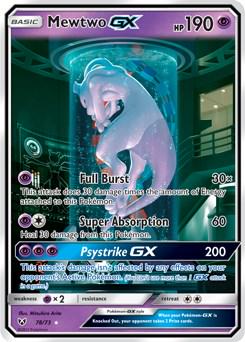
Mewtube English PSA10 population and prices: 2526 PSA10 copies, price: $4778.42
Mewtube Japanese PSA10 population and prices: 1928 PSA10 copies, price: $2205.61
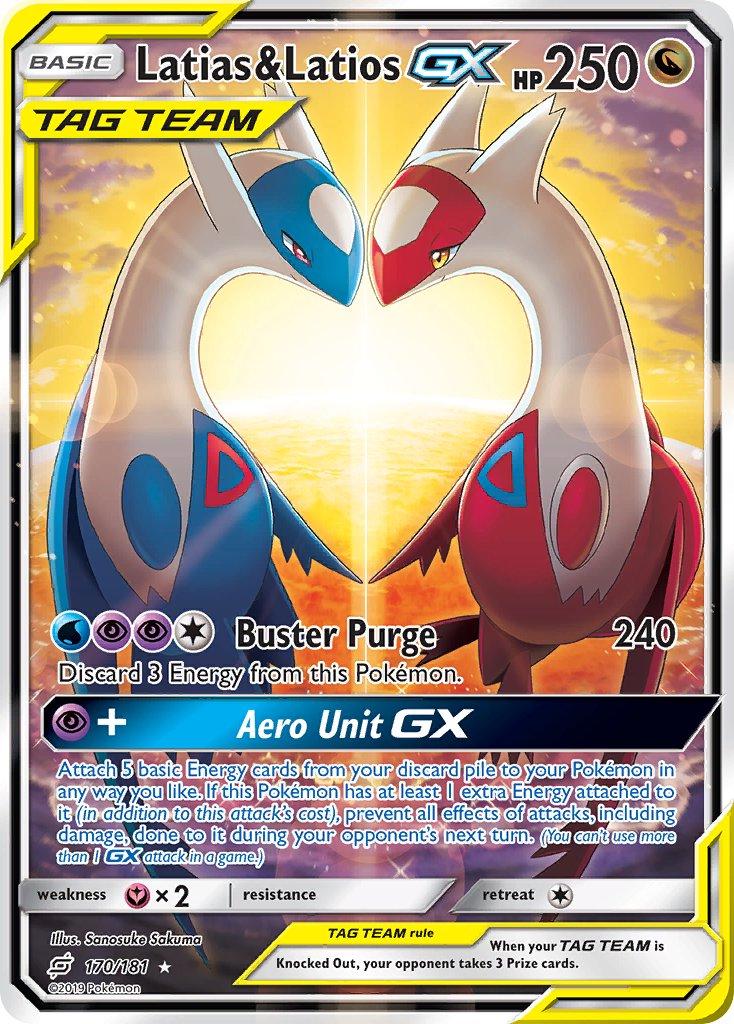
Lovebirds English PSA10 population and prices: 2035 PSA10 copies, price: $10793.40
Lovebirds Japanese PSA10 population and prices: 2535 PSA10 copies, price: $3383.01
As can be seen above, English cards can command a significant valuation above their Japanese counterparts.
If you are only interested in collecting and not investing, I would definitely recommend Japanese cards over English cards. You would be paying less for a higher quality product, and the cards will be likely to be worth a pretty penny if you hold onto them long enough.
Simplified Chinese: The new kid on the block
Pros:
- Chinese-language exclusives
- (Mostly) Affordable
- Printed in same factory as Japanese cards (i.e. better quality)
Cons:
- Wildly speculative
- Unestablished market
Chinese cards are very hot at the moment due to the launch of several high-demand chinese exclusive cards. These cards have great artwork and limited supply, resulting in crazy valuations.
Some Chinese-language exclusives are as follows:

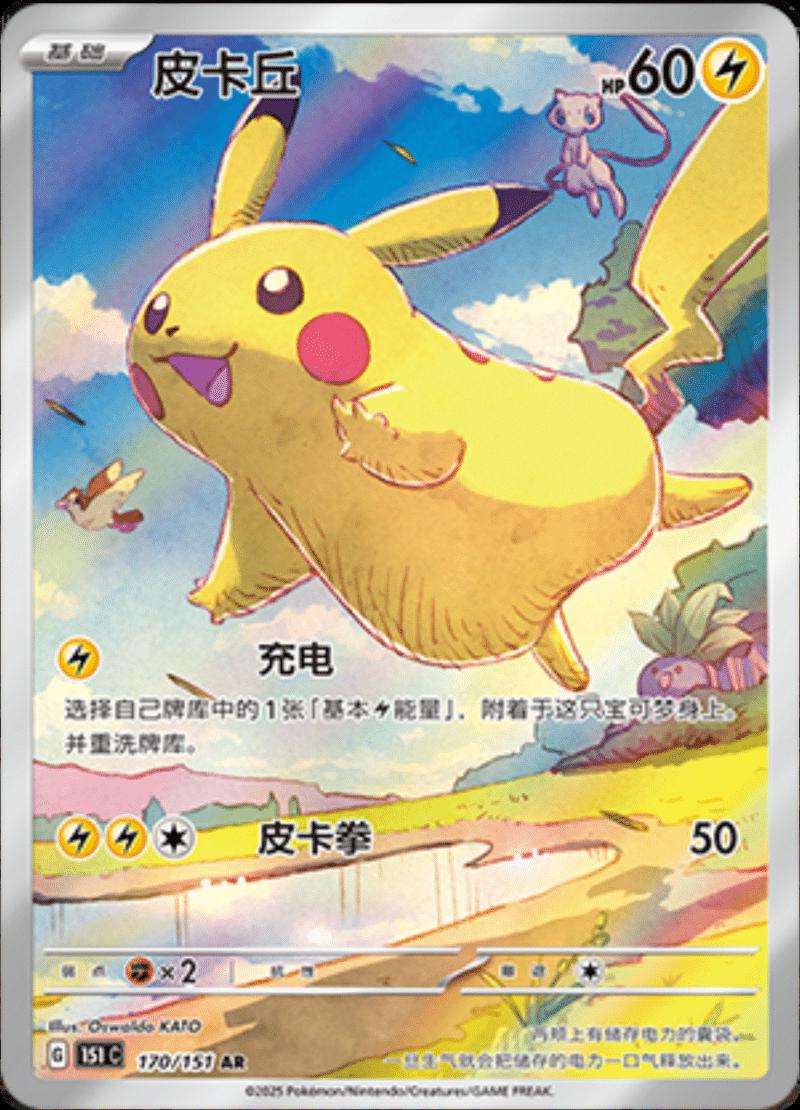
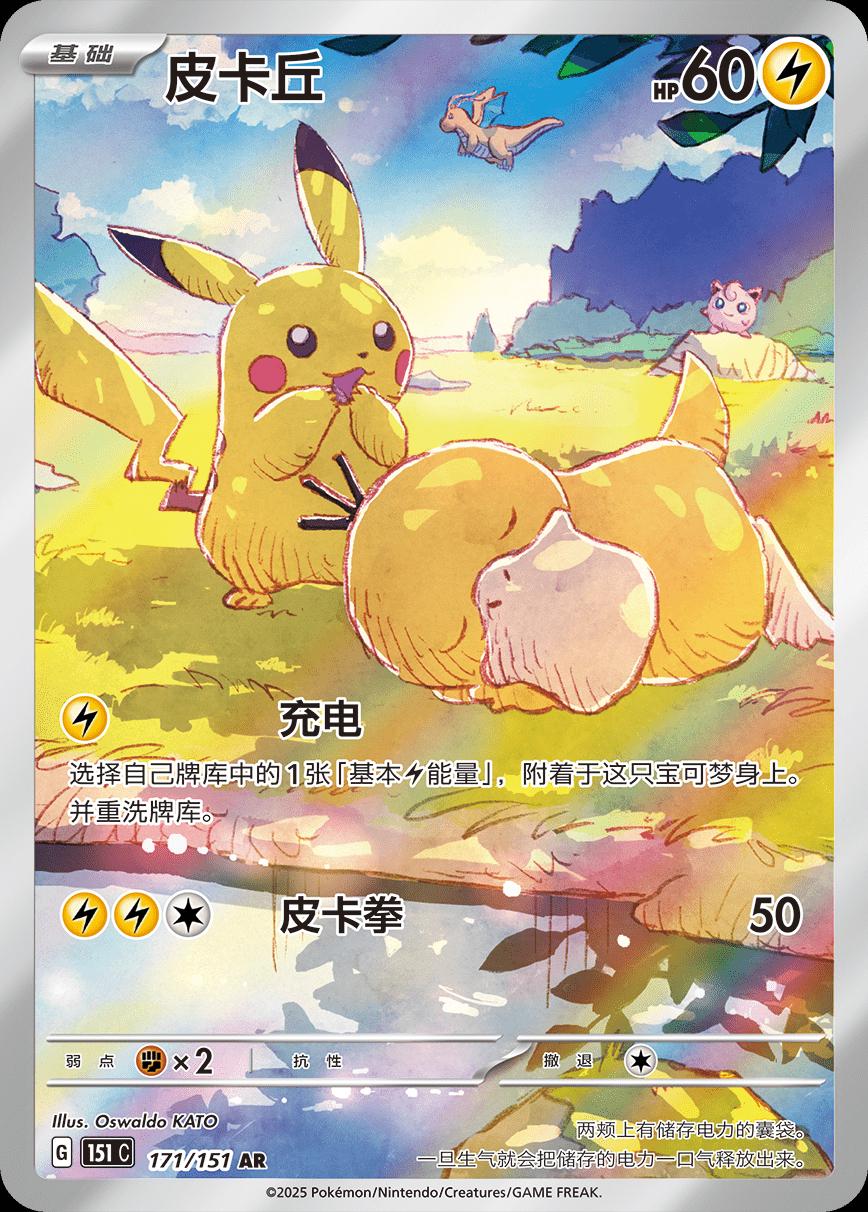


From the art, you can see why these would be hugely popular.
Outside of exclusives, Chinese cards are cheaper than English or Japanese cards, while enjoying the print quality of Japanese cards. However, it is unclear whether non-exclusive cards will be able to hold value in the long-run and I would suggest buying non-exclusives only purely for the sake of collecting with no expectation of the long-term valuations of the cards.
Final Analysis
I will take language-exclusive cards out of this analysis since every language has their own exclusive cards. In conclusion:
- If looking for wild market swings, volatile pricing and quick profit, or if you just like being able to read your cards, go with English cards. Warning: If you are just in it for collecting and not for investing, English cards get expensive quick.
- If looking to collect as a hobby, but want to own cards that are proven to retain value or even appreciate in value in the long-run, go with Japanese cards.
- If looking purely to collect without any thought for value, go with Chinese cards. However, the market may be smaller for these.